



Confident Patient: A Doctor Discussion Guide About Gout Treatment
The ConfidentPatient:A Doctor Discussion GuideAbout Gout Treatment
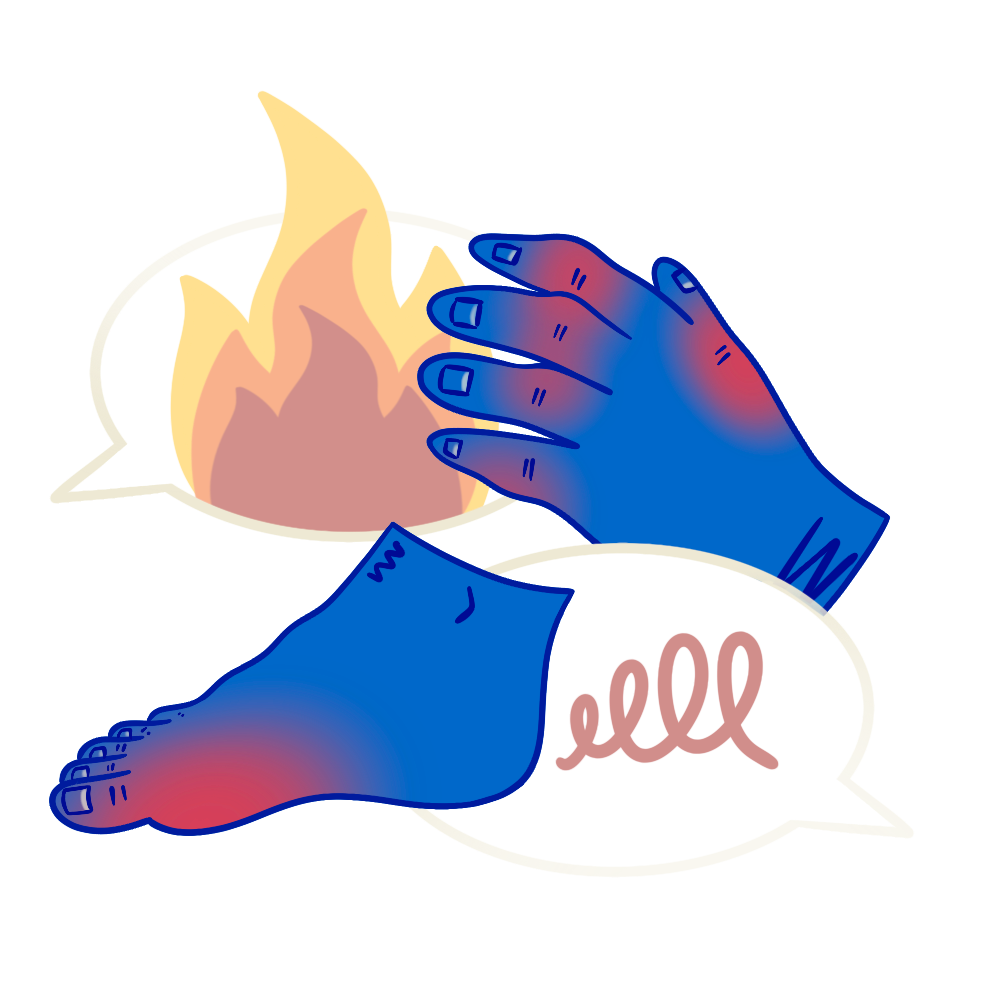
A fire that can’t be put out
Living with gout often means feeling like you’re constantly putting out fires. An attack of gout can come on suddenly and include intense pain, swelling, redness, and tenderness – even a light touch to affected areas may be extremely painful. These attacks can be unpredictable and get in the way of your activities, time with family and friends, and even your sleep.
If your uncontrolled gout has been wreaking havoc on your daily life, it may be time to talk to your doctor about your options.
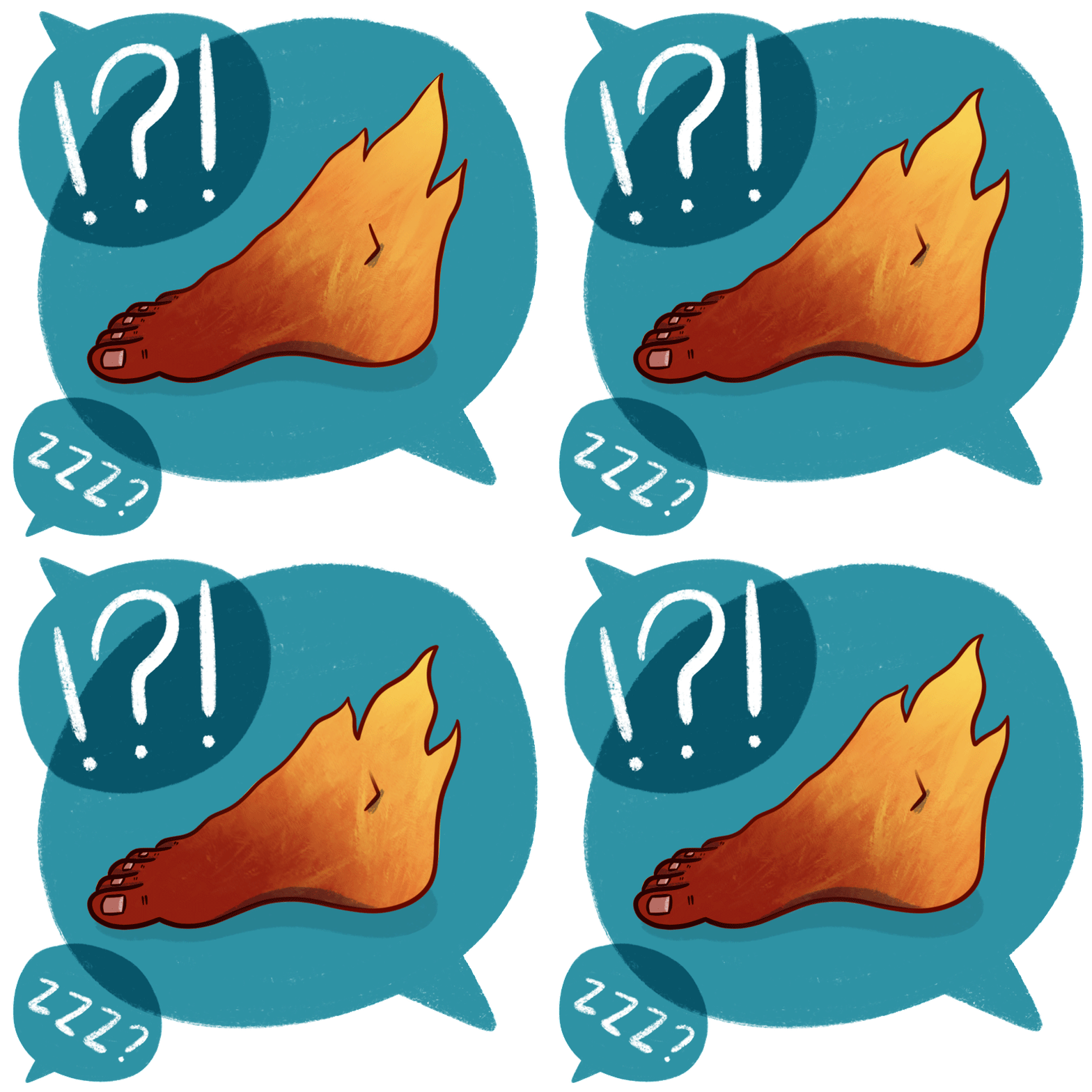
Treating advanced gout
When gout goes untreated or stays uncontrolled even with standard treatments, it can progress to an advanced stage called chronic refractory gout (CRG). Over time, CRG can cause permanent damage to the joints, as well as things like kidney problems and the formation of skin nodules (tophi) in the fingers, hands, and feet.
Because standard treatments for gout may not work for those with CRG, partnering with your healthcare team is critical in developing a treatment plan that best meets your needs.
Did you recently have a flare?
Gout flares can come and go. But if these attacks have recently worsened or become more frequent, it may be time to address them. Let’s check in about how you’ve been feeling lately.
In the last month, have you experienced a worsening of any of the following?
☐ Severe pain
☐ Joint swelling or inflammation
☐ Limited range of motion in the joints
☐ Redness
☐ Burning sensations or skin that feels hot to the touch
☐ Kidney stones/other kidney issues
☐ Skin nodules on the fingers, hands, or feet

What to say at your next appointment
Describing the severity of gout attacks can sometimes be challenging. Here are some ways to talk about them with your doctor:
“I used to have flare-ups a few times a year, but it feels like they’re happening more often now. Is it time to think about exploring treatment options?”
“The intense pain and swelling in my joints have been impacting my sleep and keeping me from enjoying daily activities. Can we talk about that?”
“Even with treatment, my symptoms feel like they’re getting worse. Is it time to think about finding a new treatment option?”