


Eating Well With Gout

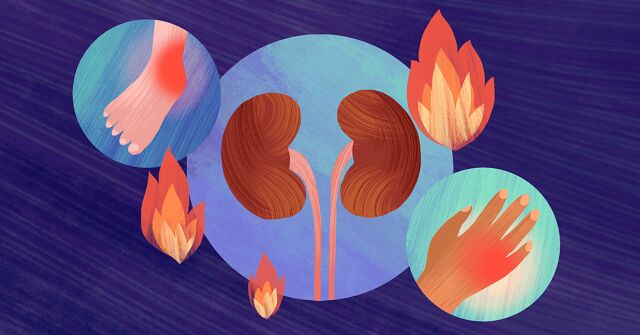
Gout is a painful type of arthritis that can make joints feel like they are on fire. Living with this condition is hard. However, you can take steps to feel better.1
One of the best ways to manage gout is through the foods you eat. While diet is not a cure for gout, it can reduce gout flares and painful attacks. This article explains how diet helps and which foods are best for managing gout (and which foods to avoid).1,2
The basics of gout
Gout is a health condition that causes sudden and sharp pain in the joints. It often starts in the big toe. It can also happen in the knees, ankles, or wrists. Gout happens when too much uric acid builds up in the body. This acid forms sharp crystals in the joints. These crystals cause swelling and intense pain.1
Many people in the United States live with gout. It affects both men and women. Gout is more common as people get older. Some people have a higher risk because of their family history. Others may get it because of other health issues, like high blood pressure or kidney problems.1,2

Why diet matters
What you eat is very important if you have gout. Some foods contain high levels of purines. When the body breaks down purines, it creates uric acid. Eating fewer high-purine foods can lower the amount of uric acid in your blood. This can help prevent painful gout attacks.1,2
Diet is also vital for other health reasons. Many people with gout also have chronic kidney disease (CKD). In fact, up to 4 in 10 people with gout also live with CKD. The kidneys are responsible for removing uric acid from the body. If the kidneys do not work well, uric acid stays in the blood. This makes gout worse.1
Foods to avoid if you have gout
Some foods can cause uric acid to rise quickly. High-purine foods are a trigger for gout pain. It is best to avoid these foods to prevent gout flares:1,2
- Organ meats – Foods like liver, kidneys, and sweetbreads are very high in purines.
- Red meat – Beef, lamb, and pork should be limited.
- Certain seafood – Some fish like anchovies, sardines, and mussels can trigger gout.
- Sugary drinks – Soda and juices with high fructose corn syrup raise uric acid levels.
- Alcohol – Beer and grain spirits are linked to more gout attacks.
Foods to prioritize
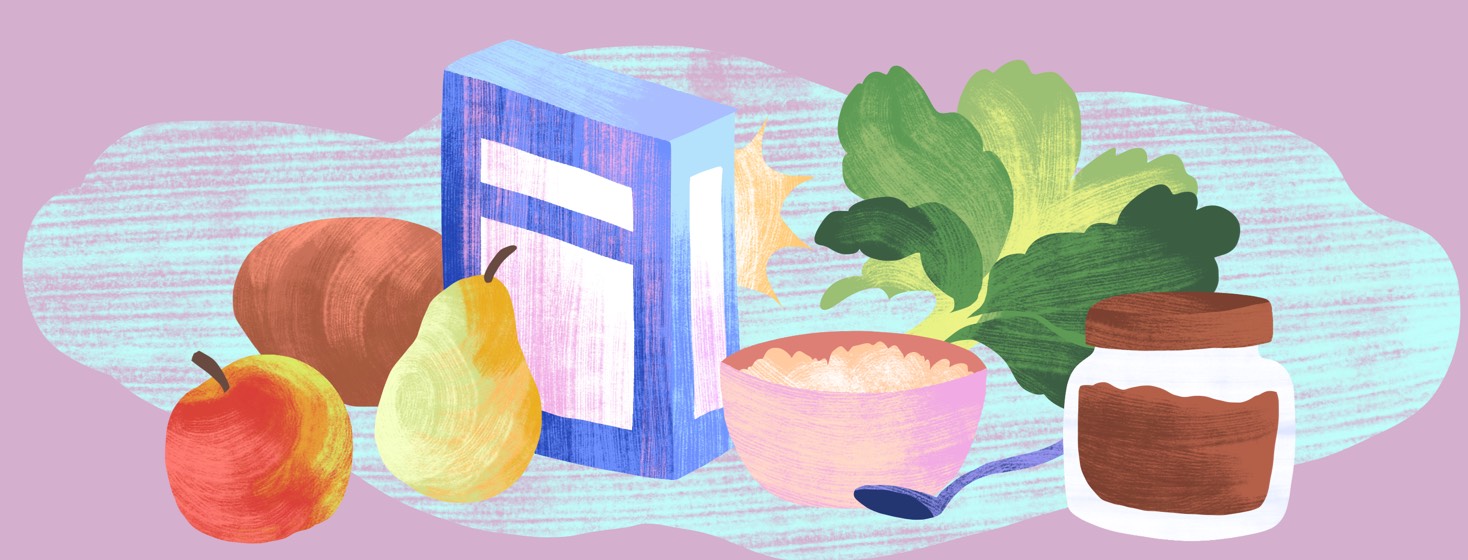
Choosing the right foods can help you manage your symptoms. Certain diets are better than others for gout. Experts often recommend a plant-based diet or the Mediterranean diet. These diets focus on whole foods and help reduce inflammation.1,2
Fruits and vegetables
Most vegetables are low in purines. You should eat many different colors of vegetables throughout the day. Fruits are also good choices. Cherries, in particular, are very helpful for people with gout due to their anti-inflammatory and antioxidant properties. Some studies show that cherries may also lower uric acid levels.1,2
Low-fat dairy
Low-fat milk and yogurt are great for gout. These foods may help the body get rid of uric acid. They also provide protein without the high purines found in some meats.1,2
Whole grains
Choose whole grains instead of white bread or sugary cereals. Options include:1,2
- Oats
- Brown rice
- Barley
Healthy proteins
Red meat and organ meats are very high in purines. It is better to choose other protein sources. Plant-based proteins are a smart choice. These include beans, lentils, and tofu. If you eat meat, choose small amounts of lean chicken.1,2
Hydration
Drinking plenty of water is essential when dealing with gout. Water helps your kidneys flush out uric acid. Try to avoid sugary drinks and soda. These can raise your risk of a gout attack.1,2
Talk with your doctor
Managing gout starts with what is on your plate. By choosing low-purine foods, you can lower your uric acid levels. This helps prevent the sharp pain of a gout flare.1,2
A healthy diet also protects your kidneys and heart. Always talk to your doctor before you make big changes to your diet. They can help you create a plan that works for your specific health needs.1,2
Join the conversation